
01Choose the launch that matches reality.
There is a persistent idea that a new brand needs one dramatic public moment. Sometimes it does. But a big announcement cannot make an untested offer, unclear website or unprepared team ready. It can simply make the gaps more visible. A quieter launch is not an admission of low ambition. It is often a deliberate way to learn and refine before attention scales.
The short answer is to choose loud when the business has a real moment worth amplifying and the full experience can support it. Choose quiet when feedback, operational learning or early proof will make the public story stronger. Both paths can work when they are tied to the brand’s readiness rather than someone else’s launch formula.
02A quiet launch creates useful learning.
A soft launch introduces the brand to a limited group: existing contacts, selected customers, a specific location or a controlled channel. The aim is not to hide. It is to watch what happens when real people meet the offer. Which questions recur? What wording creates confusion? Where does the customer journey slow down? Those observations are more valuable than a room full of compliments.
Use the period to test the basic message, the website journey, the sales conversation and the practical tools the team needs. Keep the brand consistent while you refine the execution. This is also a sensible route when the business is building its first proof points. A soft launch lets the market inform the next step without changing the central positioning every week.
A launch moment cannot compensate for an experience that is not ready.
03A loud launch needs a real reason to exist.
A bigger public launch makes sense when there is a meaningful hook: a new category proposition, a major partnership, a clear seasonal opening, a physical venue or a substantial piece of news. The event gives people a reason to notice now rather than later. But the hook has to connect to the customer’s interests, not just the team’s excitement.
Before you amplify anything, make sure the fundamentals can carry the attention. The site should explain the offer. The team should know the story. Key touchpoints should be connected. The day-one launch checklist helps ensure the public campaign is not doing all the work while the basics remain unresolved.

04Read readiness across the whole experience.
Readiness is not a feeling. Assess it across a few practical areas: clarity of positioning, strength of the core message, availability of the sales or service team, quality of customer-facing tools and the ability to respond when interest arrives. If one important area is weak, a staged approach may be smarter than an all-at-once push.
It is worth asking what happens after attention. Can people understand the offer without a founder explaining it? Can enquiries be handled promptly? Can the brand look and sound consistent in the first few interactions? Launch work must include the assets and systems that turn awareness into a credible experience.
Quiet and loud are tactics. Readiness is the decision.
05Use a staged launch when the answer is both.
Many successful launches are neither entirely quiet nor entirely loud. They begin with a controlled release, gather feedback, build evidence and then create a wider moment once the story is sharper. This hybrid approach gives the business a rhythm: learn, refine, announce, keep showing up.
The stages should be visible in the plan. Decide what you are testing, what would change as a result and what conditions will trigger the next phase. Without those decisions, a soft launch can drift indefinitely and a loud launch can arrive before the business is ready. A staged plan turns launch activity into a sequence of purposeful moves.
These new-brand projects show how the launch expression needs to connect to the experience people meet next.
 MerrymenA new café brand designed for a real-world launch.See the work →
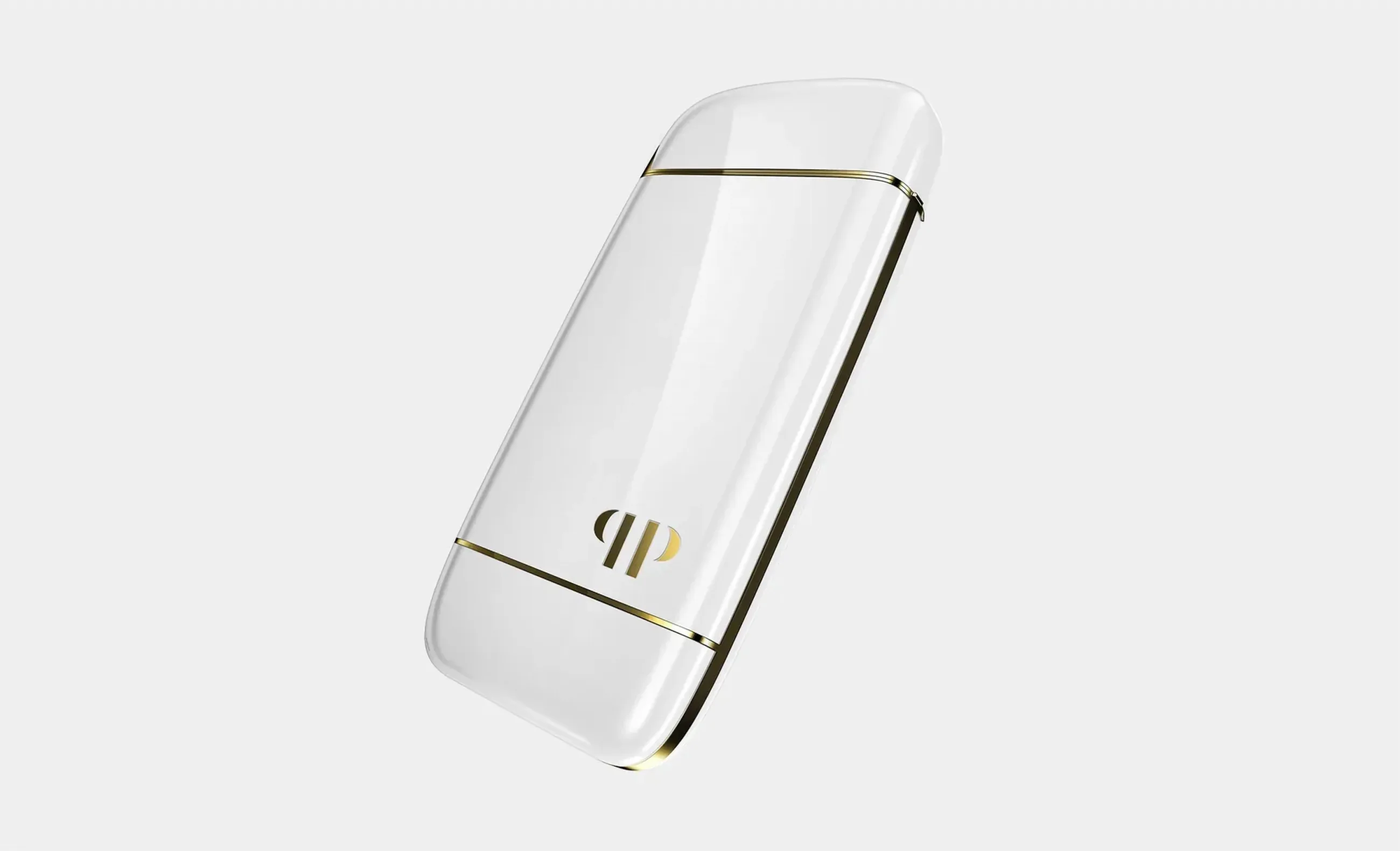 Pressplay CosmeticsA new beauty brand bringing a fresh idea to life.See the work →
06Keep the brand visible after the moment.
A launch campaign is an invitation, not a finished brand. Whether the first moment is quiet or loud, the work after it matters more: consistent communication, useful proof, customer follow-up and a continuing expression of the same central idea. Attention fades quickly when the business goes silent or begins speaking in a different voice.
Plan the next period before launch day. What stories will demonstrate the promise? Which customer questions should content answer? What touchpoints need refining? The new-brand pathway is not about one announcement. It is about giving a new business the discipline to become recognisable and trusted over time.
The choice also affects the content you prepare. A soft launch may need clear onboarding messages, direct outreach and a simple way to collect feedback. A louder launch needs a stronger campaign story, coordinated channels and enough material to sustain interest after the first announcement. In both cases, every piece should reinforce the same reason the business exists.
Do not mistake volume for momentum. Publishing frequently without a clear message can create activity while leaving people unsure what is new or valuable. A smaller number of useful, well-connected communications is more effective than a noisy collection of announcements. Begin with the audience’s question, then make the answer easy to find.
Plan for the operational response as carefully as the creative one. Decide who handles enquiries, how feedback is collected, which questions need a standard answer and how the team will share what it learns. Attention is only useful when the business can turn it into a good next experience. This is the point where launch planning becomes customer experience planning.
After the first phase, review the evidence together. Look for repeated questions, drop-off points, messages that people repeat and touchpoints that are not carrying their share. Then decide what to improve before adding more reach. A launch remains effective when it keeps teaching the business how to communicate better.
We encourage teams to define success in advance. It may be learning, early enquiries, clearer messaging or a stronger handover into the customer journey. A shared definition keeps the launch conversation focused on evidence rather than the noise that can surround an announcement.

Questions we hear.
What is a soft launch?
It is a controlled introduction to a limited audience or channel, used to test the experience, learn from feedback and refine the execution before broader attention.
When is a loud launch the right choice?
When the business has a meaningful public hook and the offer, team and key touchpoints are ready to support the attention it creates.
Can we change the brand after a soft launch?
You can refine the execution based on learning. Keep the core positioning stable unless the feedback shows a genuine strategic problem.
How long should we stay in soft-launch mode?
Set clear learning goals and review points in advance. Move to the next stage when the key questions have been answered and the experience is ready.
What should happen after the launch campaign?
Continue showing proof, answering questions and delivering a consistent experience. The campaign creates awareness; ongoing work builds recognition and trust.